ASTM D6670-01 — Full-Scale Chamber VOC Emissions Testing
Airmid Healthgroup conducts full-scale environmental chamber VOC emissions testing to ASTM D6670-01 (2007) for manufacturers of indoor building materials, furnishings, flooring, and consumer products. Testing is performed in our ISO 17025-accredited chemistry and IAQ laboratories, with GLP-compliant documentation and independent validation certification issued on completion.
Scope of ASTM D6670-01
ASTM D6670-01 describes a standard practice for the full-scale environmental chamber determination of volatile organic compound (VOC) emissions from indoor materials and products. It establishes the chamber conditions, specimen preparation, air sampling methodology, and data reporting requirements needed to produce reproducible, comparable emission rate data.
Products and materials that can be tested
Any indoor material or product that may emit VOCs under typical use conditions, including:
- Flooring — carpet, vinyl, hardwood, laminate, cork, and rubber
- Wall coverings, paints, and surface coatings
- Furniture, upholstery, and foam
- Adhesives, sealants, and grouts
- Insulation, ceiling tiles, and acoustic panels
- Cleaning products and air care formulations used indoors
- HVAC components and air filtration media
- Composite wood products and engineered materials
Description of test
- → The test specimen — a full-scale product or large material section — is placed in a controlled environmental chamber under defined temperature (23 ± 1°C), relative humidity (50 ± 5%), and air exchange rate conditions.
- → A conditioning period is observed to allow the specimen to equilibrate to chamber conditions before sampling begins.
- → Air samples are collected from the chamber exhaust at defined time intervals using sorbent tubes, impingers, or bag sampling — depending on the target compounds.
- → Collected samples are analysed by gas chromatography/mass spectrometry (GC/MS) or other appropriate analytical methods to identify and quantify individual VOC species.
- → Results are reported as emission rates (µg/m²·h) and chamber concentrations (µg/m³), with a full compound identification and quantification report provided to the client.
Key chamber parameters
Temperature
23 ± 1°C
Standard indoor conditions
Relative humidity
50 ± 5%
Controlled throughout test
Air exchange
0.5 ACH
Standard air changes per hour
Chamber volume
Full-scale
≥22m³ — whole product testing
Analysis method
GC/MS
Full compound ID and quantification
What we measure
Target compound selection is guided by product type, intended market, and applicable certification programme. Common measurement suites include:
- TVOC — total volatile organic compound concentration and emission rate
- Formaldehyde — measured separately due to its significance as a known carcinogen and common indoor pollutant
- BTEX — benzene, toluene, ethylbenzene, and xylenes
- Carbonyls — acetaldehyde, acetone, and other aldehydes
- Certification-specific compound lists — GREENGUARD, LEED v4, WELL, and national scheme requirements
- Custom compound profiles — for novel materials or regulatory submissions requiring targeted analysis
Applications
- Product claims substantiation for low-emission, low-VOC, and non-toxic labelling
- Pre-market testing for green building certification programmes (GREENGUARD, LEED, WELL, BREEAM)
- Regulatory submissions to EPA, EU REACH, and national indoor air quality programmes
- Retailer compliance testing — major retailers increasingly require independent VOC emissions data
- Comparative studies for product reformulation, material substitution, or private label claims
- Due diligence testing for M&A, investment, and product liability assessments
Third party validation
On completion of testing, your product receives a full GLP-compliant test report from Airmid Healthgroup documenting chamber conditions, compound identification, emission rates, and chamber concentrations — suitable for regulatory submissions, retailer due diligence, and certification applications. Independent third-party validation by an ISO 17025-accredited laboratory provides the evidential foundation that self-declared or supplier-provided data cannot.
Standard turnaround: 4–6 weeks from sample receipt, depending on compound suite and conditioning period requirements.
Testing options sized for your needs
We scope every engagement to your product, certification target, and regulatory timeline. These tiers serve as a starting framework.
Frequently Asked Questions
What is ASTM D6670-01?
ASTM D6670-01 is a standard practice developed by ASTM International for the full-scale environmental chamber determination of volatile organic compound (VOC) emissions from indoor materials and products. It specifies the chamber conditions, specimen preparation procedures, air sampling methodology, and data reporting requirements needed to produce reproducible, comparable emission rate data under standardised conditions.
What products and materials can be tested?
ASTM D6670 applies to any indoor material or product that may emit VOCs, including flooring (carpet, vinyl, hardwood, laminate), wall coverings and paints, furniture and upholstery, adhesives and sealants, insulation materials, ceiling tiles, cleaning products, and air freshening formulations. It is particularly relevant for products seeking GREENGUARD, LEED, or WELL certification, or for manufacturers targeting major retailers with IAQ compliance requirements.
How is ASTM D6670 different from small-scale VOC chamber tests?
ASTM D6670 uses a full-scale environmental chamber — typically 22 cubic metres or larger — allowing whole products or large material specimens to be tested under realistic indoor conditions. This contrasts with small-scale methods such as ISO 16000-9 or ASTM D5116, which test small sample coupons. Full-scale testing is more representative of actual indoor emissions and is required by certain certification programmes and regulatory bodies where small-scale data is considered insufficient.
What VOCs are measured?
The target compound suite is determined by product type, intended market, and certification requirements. Standard suites include TVOC and formaldehyde; BTEX compounds (benzene, toluene, ethylbenzene, xylenes); carbonyls including acetaldehyde; and certification-specific compound lists for GREENGUARD, LEED v4, WELL, and national IAQ labelling schemes. Custom compound profiles are available for novel materials or regulatory submissions requiring targeted analysis.
Does ASTM D6670 testing support green building certifications?
Yes. ASTM D6670 data is accepted by or compatible with GREENGUARD and GREENGUARD Gold certification, LEED v4 and v4.1 low-emitting materials credits, the WELL Building Standard, and various national and regional IAQ product labelling schemes. Airmid Healthgroup advises on certification pathway eligibility and can structure the test programme to generate data that meets multiple certification requirements simultaneously.
Reference links
- ASTM D6670 Standard — ASTM International
- ISO 17025 Overview — ISO.org
- INAB Accredited Testing Labs — INAB.ie
- UL Chemical Emissions Product Testing — Reference
Related Resources
ASTM D5116-17
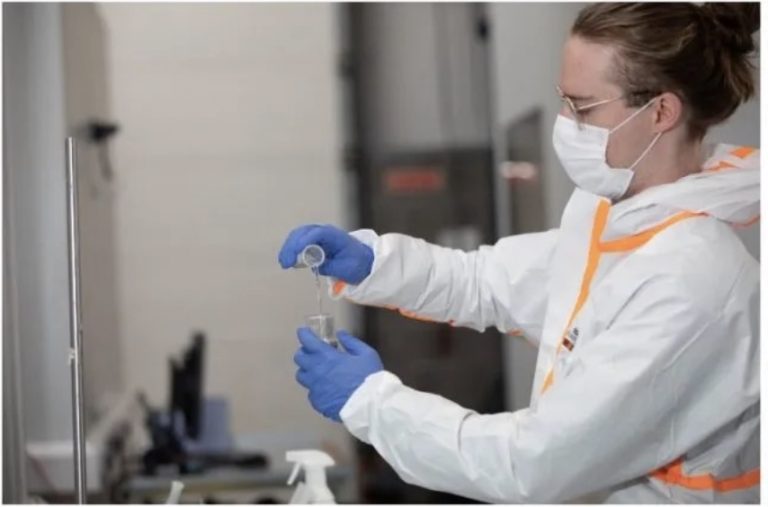
Read more on the ASTM D5116-17; the Determination of Organic Emissions from Indoor Materials/Products by placing them in a Small-Scale Environmental Chamber
ASTM C1338-19: To evaluate the fungal resistance of insulation materials
ASTM C1338-19 is a standard test method for evaluating fungal resistance of insulation materials, and performance in conditions that encourage fungal growth.

ASTM G21: Resistance of Synthetic Polymeric Materials to Fungi
🍄 ASTM G21 Standard Practice for Determining Resistance of Synthetic Polymeric Materials to Fungi
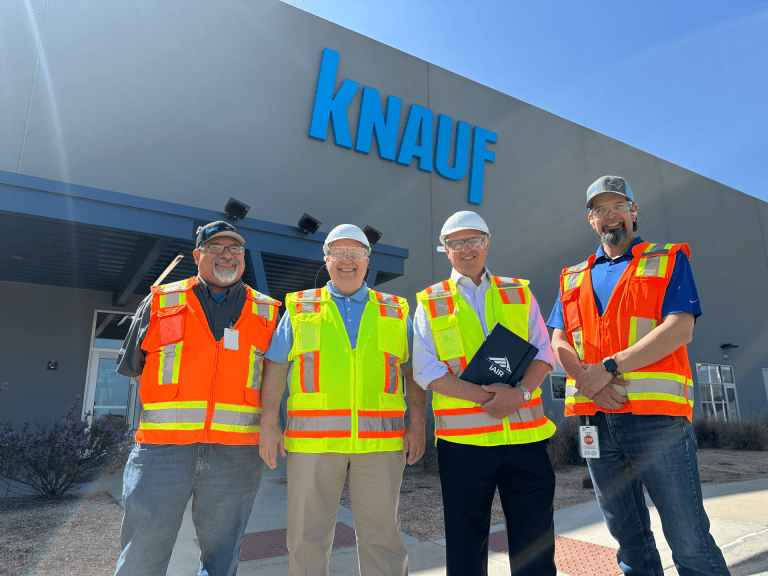
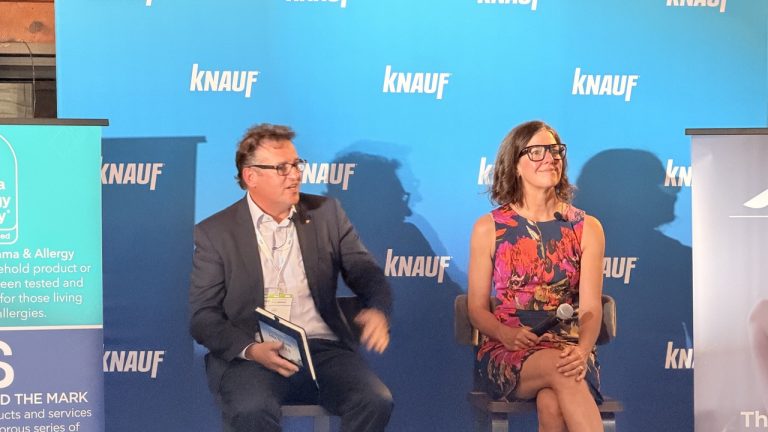
Where Innovation Begins: Dr. John McKeon Visits the Knauf McGregor Facility
Dr. John McKeon of Airmid, an independent indoor air quality testing laboratory, tours Knauf McGregor plant ahead of the iAIR Institute forum…
Measuring What Matters: Aerobiology and Indoor Environmental Quality Testing
iAIR Labs indoor environmental quality testing through aerobiology, environmental chamber testing, and validated methods supporting building standards.
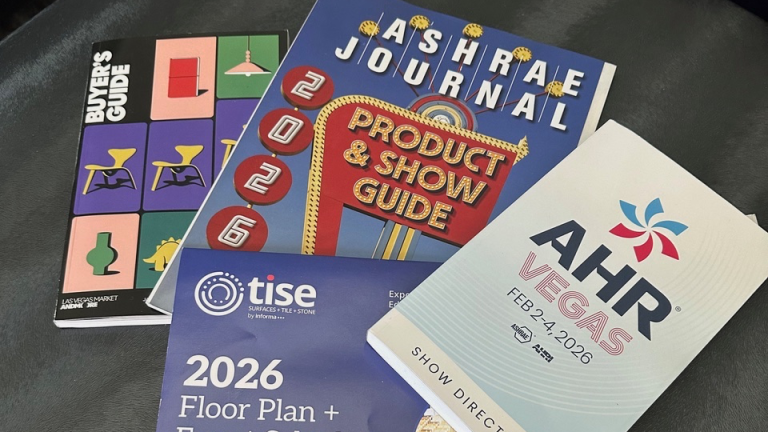
iAIR Institute Scientific Leadership Forum at ASHRAE 2026: Healthy Buildings, Airborne Health and the Future of Indoor Environments
Airmid Healthgroup supported the iAIR Institute Scientific Leadership Forum at ASHRAE 2026, exploring healthy buildings and indoor environmental quality.
Client case studies
View all case studies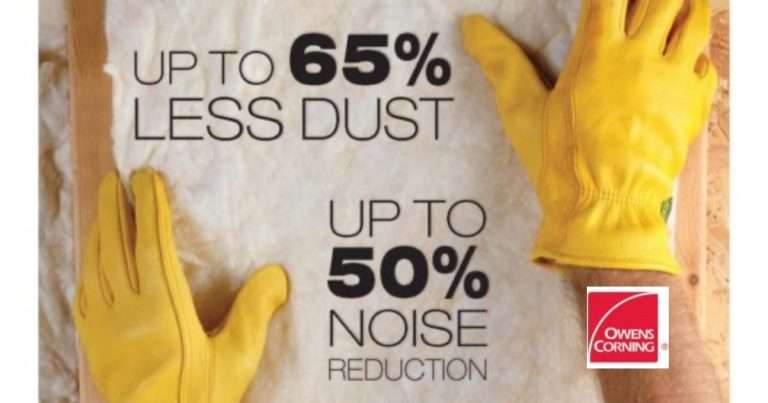
Owens Corning: Setting a New Standard in Insulation with Pure Safety™
Owens Corning, a global leader in insulation products, partnered with Airmid to validate the health and safety performance of their Pure Safety™…

Natura® paint brand earns asthma & allergy friendly™ Certification in North America.
Natura® paint brand earns asthma & allergy friendly™ Certification in North America.
Shaw Floors and Airmid: Studies Show Carpets Can Support Indoor Air Quality with a Thorough and Effective Cleaning Regime
Shaw Floors and Airmid Healthgroup studies reveal that carpets, when maintained with a thorough and effective cleaning regime, can support indoor air…