Overview of Relevant Viruses
The viruses listed below are significant to indoor environments, where they can contaminate both air and surfaces, posing a risk for serious illnesses. This list is not exhaustive, and if you wish to test a specific virus, we encourage you to contact us for feasibility discussions. Surrogate viruses are often used in place of those that cause severe infections, as detailed below.
Influenza A (H1N1) – Orthomyxoviridae Family
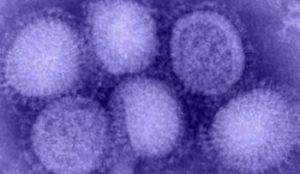
Characteristics:
Influenza A (H1N1) is a single-stranded RNA virus, ranging from 80-120 nm in diameter. It is part of the Orthomyxoviridae family and is known for causing widespread respiratory illness, including the 2009 swine flu epidemic. It is spread through droplets produced by coughing, sneezing, or talking, as well as contaminated surfaces. At Airmid Healthgroup, we use Influenza A (H1N1) for virus removal and inactivation studies in environmental test chambers or laboratories, depending on your requirements.
Influenza A (H3N2) – Orthomyxoviridae Family
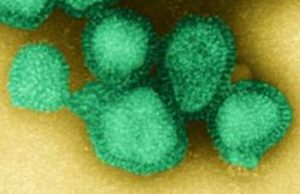
Characteristics:
Similar to H1N1, Influenza A (H3N2) is a single-stranded RNA virus, part of the Orthomyxoviridae family. First identified in humans in 2011, it primarily circulates in pigs but can be transmitted from human to human. This virus causes flu-like symptoms, which can lead to hospitalization and fatalities. Like H1N1, it spreads via respiratory droplets, direct contact, and contaminated fomites.
Rhinovirus – Picornoviridae Family
Characteristics:
Rhinovirus, a small, non-enveloped single-stranded RNA virus (27 nm in diameter), is one of the most common causes of the common cold. It spreads via aerosols, droplets, or direct contact with infected individuals or contaminated surfaces. Rhinovirus has been validated for use in virus removal studies at Airmid Healthgroup in our environmental test chambers and laboratories, tailored to client testing needs.
Norovirus – Caliciviridae Family
Characteristics:
Norovirus is a small, non-enveloped, single-stranded RNA virus (38-40 nm), commonly referred to as the “vomiting bug.” It causes 90% of epidemic gastroenteritis outbreaks worldwide. It is highly contagious and spreads via food or water contamination, person-to-person contact, aerosol droplets, and fomites. Due to its resistance to disinfectants, surrogates like Feline Calicivirus (FCV) are used for testing in place of Norovirus. At Airmid Healthgroup, FCV has been validated for use in virus removal studies.
Human Coronavirus 229E (HCoV-229E)
Characteristics:
HCoV-229E is a single-stranded RNA virus, part of the Alphacoronavirus genus, and a major cause of the common cold. It can also exacerbate asthma or cause bronchiolitis and pneumonia. As with other coronaviruses, HCoV-229E can invade neural cells, leading to neurological symptoms.
Murine Hepatitis Virus – Betacoronavirus Family
Characteristics:
Murine Hepatitis Virus (MHV) is a type of coronavirus (80-90 nm in diameter), primarily affecting rodents. While not contagious to humans, it is highly infectious among rodents and has been used in virological studies as an animal disease model. MHV is closely related to human coronaviruses, including HKU1.
Enterovirus 71 (EV71) – Picornaviridae Family
Characteristics:
Enterovirus 71 (EV71) is a non-enveloped, single-stranded RNA virus (20-30 nm). It can cause mild conditions like hand, foot, and mouth disease in children but may also lead to severe neurological diseases such as encephalitis and acute flaccid paralysis. It spreads via fecal transmission and respiratory droplets.
Vaccinia Virus – Poxviridae Family
Characteristics:
Vaccinia Virus, a double-stranded DNA virus, is used in the smallpox vaccine. It spreads through respiratory droplets, direct contact, or fomites, causing cold-like symptoms and skin lesions. It has been studied extensively in laboratory and clinical settings.
Adenovirus – Adenoviridae Family
Characteristics:
Adenovirus is a non-enveloped, double-stranded DNA virus (75 nm in diameter). It causes respiratory infections, particularly in children under six, including conditions like laryngitis, bronchitis, and pneumonia. The virus spreads through direct contact, droplets, and contaminated surfaces.
Respiratory Syncytial Virus (RSV) – Paramyxoviridae Family
Characteristics:
RSV is an enveloped RNA virus (80-350 nm) that causes mild cold-like symptoms in adults but can lead to severe respiratory infections in infants and young children. It spreads through respiratory droplets and contaminated surfaces.
Human Parainfluenza Virus (HPIV) – Paramyxoviridae Family
Characteristics:
HPIV is a single-stranded RNA virus that causes respiratory infections, including croup and pneumonia, in young children and older adults. It spreads via aerosols, direct contact, and contaminated surfaces.
Feline Calicivirus (FCV) – Caliciviridae Family
Characteristics:
Feline Calicivirus (FCV) is a non-enveloped RNA virus (30-40 nm) that infects cats. FCV shares similarities with Norovirus and is used as a surrogate in virus studies. It spreads through direct contact with infected saliva, sneeze droplets, or contaminated environments.
Human Coronavirus OC43 (HCoV-OC43) – Betacoronavirus Family
Characteristics:
HCoV-OC43, a single-stranded RNA virus (80-120 nm), causes mild illnesses like the common cold, as well as severe respiratory infections, including pneumonia. It is known for causing the 1889–1890 pandemic, historically called the Russian flu.
Bacteriophage MS2 – Leviviridae Family
Characteristics:
Bacteriophage MS2 is a non-enveloped, single-stranded RNA virus used as a surrogate in environmental studies due to its similarity to enteric viruses. It mimics pathogenic viruses in behavior, making it ideal for testing virus removal in air, water, and food.
Murine Norovirus (MNV) – Caliciviridae Family
Characteristics:
Murine Norovirus (MNV) is a small, non-enveloped RNA virus (29-35 nm) used in laboratory studies as a surrogate for Human Norovirus (HNoV). It is highly relevant in studies of gastrointestinal infections, as it shares many characteristics with the human version of the virus.
Are you a manufacturer looking to certify your air cleaning technology?
Contact the Airmid Healthgroup team today to learn more about the independent testing process and how it can enhance your product’s credibility in the market.
Related Tests
Related Blogs
DELPHIN T8 Achieves Verified Healthier Air Mark: A Higher Standard in Indoor Air Quality
The Role of Independent Testing in HVAC Filtration: Ensuring Air Quality Standards
Key Words
indoor viruses, virus removal, surrogate viruses, virus transmission, environmental testing, influenza, norovirus, rhinovirus, coronavirus, virus inactivation, indoor air quality, Airmid Healthgroup, virus contamination testing