February 18, 2020
Written by Oliver Dsa, MSc, senior virologist at Airmid Healthgroup, where he leads testing and research on airborne pathogens, indoor air quality, and antiviral technologies in real-world environments.
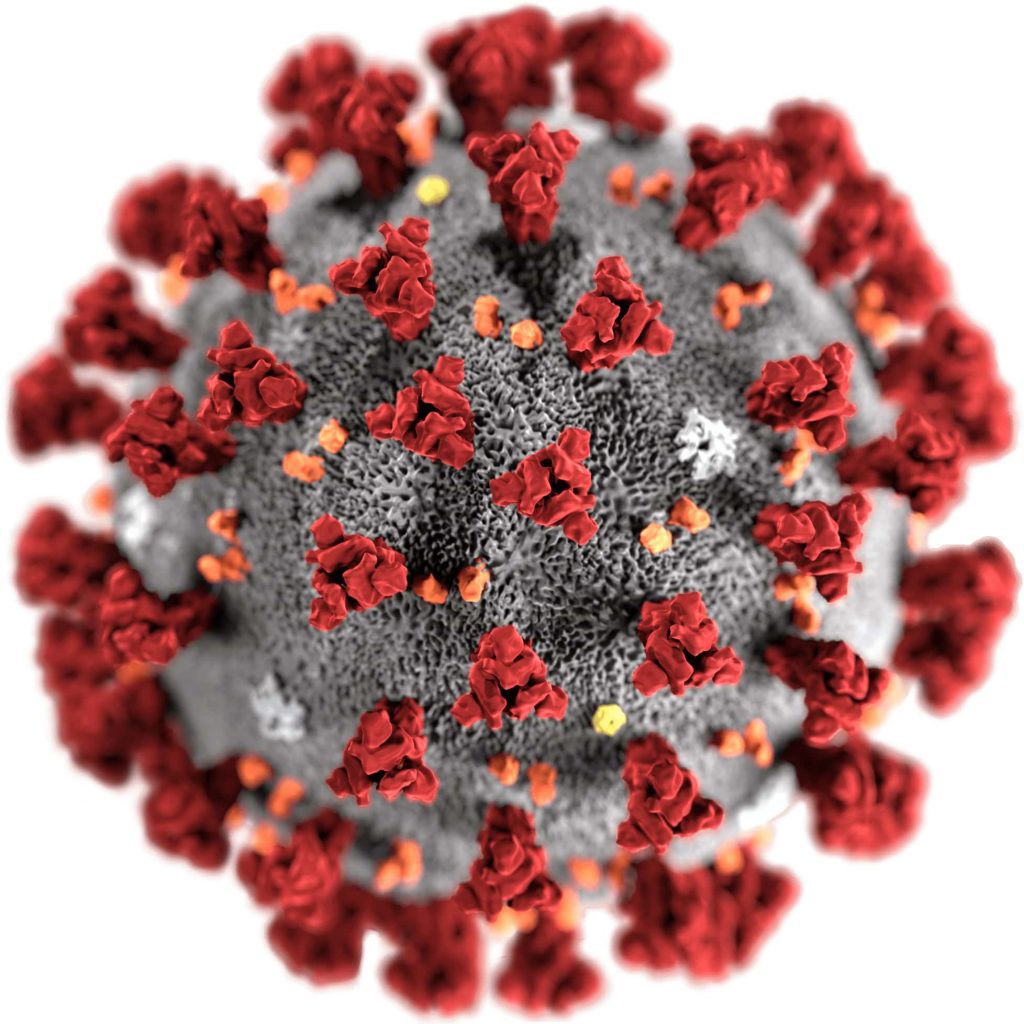
Understanding how COVID-19 spreads, and how to prevent it, remains critical. COVID-19, caused by the novel coronavirus SARS-CoV-2, emerged in late 2019 and has since affected millions globally. While its estimated fatality rate (~2%) is lower than that of SARS (9.5%) and MERS (37.1%), it far exceeds that of seasonal influenza (~0.04–0.088%). This lower, but still significant, mortality, combined with high transmissibility, has enabled SARS-CoV-2 to spread rapidly, impacting public health and economies worldwide.
Live, mobile carriers, infected individuals, can unknowingly spread the virus through respiratory droplets, aerosol particles, or contaminated surfaces. As such, prevention and environmental hygiene remain the most effective control strategies.
Why SARS-CoV-2 Is Highly Contagious
Like SARS and MERS, SARS-CoV-2 likely originated in bats and was transmitted to humans via an intermediate host. However, unlike its predecessors, SARS-CoV-2 spreads more easily between people.
While SARS led to 8,096 cases globally and has since been contained, and MERS remains relatively isolated, SARS-CoV-2’s transmission rate has resulted in far more infections and sustained community spread, making it a persistent public health threat.
Challenges in Controlling COVID-19 Spread
Despite early efforts, quarantines, lockdowns, and border controls—SARS-CoV-2 proved difficult to contain. Reasons include:
-
Delayed symptom onset (2–14 days), making early diagnosis difficult
-
Overlap with other respiratory symptoms, delaying isolation
-
No targeted antiviral cure, prolonging infectious periods
-
Potential for airborne persistence and surface contamination, requiring thorough disinfection
These challenges underscore the importance of prevention over treatment.
Key Prevention Strategies for COVID-19
Until a vaccine or cure became widely available, non-pharmaceutical interventions were essential in controlling the spread. Preventative actions include:
-
Physical distancing and mask use
-
Frequent handwashing and respiratory hygiene
-
Disinfection of high-touch surfaces
-
Adequate indoor ventilation and air purification
Even as vaccines have rolled out, these strategies remain relevant—especially in high-risk environments.
Antimicrobial Technologies for COVID-19 Control
Innovative antiviral and antimicrobial technologies can support infection control by reducing viral load in indoor environments. Products like air purifiers, facemasks, biocidal agents, and treated textiles must be rigorously tested to verify their ability to inactivate SARS-CoV-2 or its surrogates.
This testing must replicate real-world conditions and be carried out by certified labs.
COVID-19 Product Testing at Airmid Health Labs
At Airmid Healthgroup, we provide advanced antiviral testing services using Human Coronavirus 229E and OC43 as surrogates for SARS-CoV-2. Our facilities are equipped with custom-built chambers to simulate indoor environments and support global standards for efficacy evaluation.
Related Tests
-
Aerosolization chambers (28.5 m³ and 30 m³) for virus dispersion studies
-
ISO 18184:2025: Outlines the test method for evaluating the antiviral activity of textile products
Related Blogs
An Overview of the ASHRAE 185 Series: Standards for Evaluating Air-Cleaning Technologies
FAQ: ISO 15714:2019 – What You Need to Know About Bioaerosol Efficacy Testing for Air Treatment Devices
The Power of UV-C: Disinfecting and Reusing N95 Respirators
Keywords
Covid-19, SARS-CoV-2 transmission, antiviral testing, COVID-19 product testing, surface disinfection, airborne virus control, antiviral textiles, pandemic hygiene