
Flooding, Dampness, and Mold: Protecting Indoor Environments
by Dr Angela Southey
When buildings experience flooding or significant water damage, the consequences often extend well beyond visible stains or surface deterioration. Damp materials and high humidity create ideal conditions for mold growth.
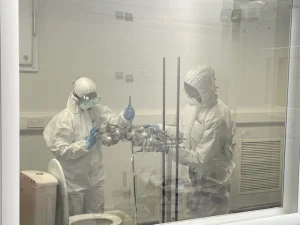
Unless remediation is managed effectively, mold and other fungi can persist long after the water is gone, hidden within building structures and furnishings.
Why Mold Growth Matters
Molds play a natural role in decomposition and nutrient cycling in the environment, but indoors their presence is a risk factor for poor indoor air quality and building-related illness. Research has shown that dampness and mold are associated with symptoms of Sick Building Syndrome (SBS), respiratory irritation, and inflammatory responses in occupants.
Vulnerable Building Materials
After flooding, certain building materials are particularly prone to microbial colonization:
- Flooring: Carpets, laminate, and vinyl coverings can retain moisture and should be replaced if affected.
- Subfloor structures: Chipboard, insulation, and timber joists may trap dampness. Cracks, heaving, or discoloration signal possible damage and should not be ignored.
- Decor and finishes: Wet wallpaper, plaster, and insulation should be removed to accelerate drying and allow inspection of underlying surfaces.
If these elements are left untreated, they provide a favorable substrate for hidden mold growth.
Drying and Remediation Strategies
Effective drying is the cornerstone of remediation:
- Natural drying may take months.
- Forced drying using dehumidifiers, fans, or heaters can reduce the process to weeks.
- Air circulation and ventilation are essential—temperature alone is insufficient to remove deep-seated moisture.
- Monitoring is critical: walls or surfaces may feel dry externally while remaining damp internally.
Guidance from the Office of Public Works (OPW) and international best practice emphasizes careful monitoring of brickwork, insulation, and wooden elements. Even if wood dries, distortion or decay may occur, requiring replacement.
Health Implications and Testing
Mold contamination is not always visible. Airborne fungal spores, whether viable or non-viable, can still impact human health.
Airmid Healthgroup’s health friendly air™ service provides:
- Comprehensive indoor air quality audits targeting thermal, physical, chemical, and biological parameters.
- Surface and airborne mold testing using advanced methods such as spore trap sampling.
- Expert interpretation of results by clinicians, microbiologists, and occupational hygiene specialists to determine whether remediation has been successful.
Our integrated approach ensures not only accurate detection but also health-focused insights to guide next steps.
Related Case Studies
- Air Sniper’s UVGI validation at Airmid Healthgroup
- Shaw Floors indoor air quality study at Airmid
- Dyson hand-dryer aerosol study with Airmid
Our Services
- Airmid’s ISO-accredited lab testing services
- Surface technologies testing service menu
- Claims verification & environmental trial services
References
- Crook, B. & Burton, N.C. (2010). Indoor molds, Sick Building Syndrome and building-related illness. Fungal Biology Reviews, 24; 106–113.
- Zhang, X., et al. (2012). Dampness and molds in workplace buildings: Associations with Sick Building Syndrome and biomarkers of inflammation. Science of the Total Environment, 430; 75–81.
- Flooding.ie
- U.S. EPA – Mold and Moisture
- CDC – Mold After a Disaster
About Dr Southey
Angela graduated from Dept. of Medicine and Therapeutics, UCD with a PhD in lung fibrosis and then moved to Japan for 2 years to complete a post-doctorate study on ulcerative colitis. Upon returning to Ireland, she worked as a postdoctoral researcher in the Veterinary College, Dublin, investigating the feasibility of vaccinating badgers against tuberculosis (TB). She decided that her main interests were in the Indoor Air Quality field, and is Chief Technical Officer. Based on her experience in air quality and product performance verification to date.
Word Tags
Flooding; Mold; Remediation; Drying; Indoor Air Quality, IAQ, Indoor Environmental Quality, IEQ, Verified Healthier Air.
Word Phrases
flood damage mold remediation | indoor air quality after flooding | mold testing services | hidden mold detection | dampness and sick building syndrome | IAQ audits mold | flood drying ventilation | health risks of indoor mold

