Dust Mite Barrier Testing: Heat Escape Method
Dust mite allergens are one of the most common triggers of asthma and allergies in the indoor environment. Dust mite barrier testing using the Heat Escape Method is a laboratory test designed to evaluate how effectively a product acts as a barrier against house dust mites in a controlled, long-term breeding environment.
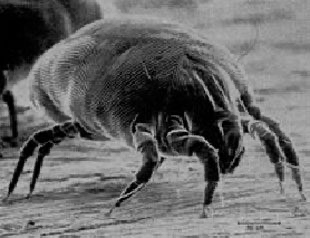
Dust mite barrier testing is particularly relevant for manufacturers developing textiles, bedding materials, mattress encasements, and treated fabrics that claim to reduce exposure to dust mites.
By measuring the reduction in mite populations on treated materials compared with untreated controls, the Heat Escape Method provides manufacturers with clear data to support product performance claims relating to dust mite barrier effectiveness.
Product Categories That Can Be Tested
Airmid Healthgroup can apply the Heat Escape Method to a wide range of products designed to reduce exposure to house dust mites, including:
- Mattress encasements
- Pillow covers
- Bedding fabrics
- Upholstery textiles
- Treated fabrics and barrier materials
- Household textiles designed to limit dust mite penetration
This testing approach allows manufacturers to demonstrate whether their product can limit dust mite survival and breeding under realistic laboratory conditions.
How the Heat Escape Method Works
The Heat Escape Method follows a structured process to accurately quantify the dust mite barrier performance of a textile or material:
- Inoculation: Both test specimens and untreated control specimens are inoculated with live house dust mites along with the nutrients required to support a breeding colony.
- Incubation: Samples are incubated for a defined period within a controlled environmental chamber — allowing dust mites to interact with the material under stable temperature and humidity conditions.
- Heat Extraction: After incubation, dust mites are recovered using a heat extraction technique. Heat stimulates the mites to migrate out of the material, allowing them to be collected and accurately quantified.
- Results: Final results are expressed as the percentage reduction in dust mites on the treated specimen compared with the untreated control sample — providing a clear, quantified measure of barrier effectiveness.
Why Dust Mite Barrier Testing Matters
Dust mites themselves are not the primary trigger for allergic reactions — it is the allergens produced by the mites that accumulate within indoor environments and trigger symptoms. For this reason, Airmid often recommends that Heat Escape Method testing is conducted alongside allergen analysis such as Der p1 ELISA testing.
This complementary testing approach allows manufacturers to evaluate both:
Dust Mite Population Reduction
Whether the product physically prevents dust mites from surviving and breeding within or on the material — measured via the Heat Escape Method.
Allergen Protein Presence
Whether allergen proteins associated with dust mites are present in or on the material — measured via Der p1 ELISA analysis in Airmid’s accredited allergen laboratory.
Together, these data provide a more comprehensive understanding of product performance — and stronger evidence to support allergen protection claims.
Third-Party Validation
Upon successful completion of dust mite barrier testing, manufacturers may reference that their product has been tested by Airmid Healthgroup using the Heat Escape Method for dust mite barrier effectiveness — in support of any claims relating to the test and data received.
Sample Requirements & Turnaround Time
Turnaround Time
~8 Weeks
From receipt of samples
Sample Required
1 m²
1 square metre of fabric or textile material. Additional samples may be required depending on product type or study design.
Get in Touch
If you are developing products designed to reduce exposure to dust mites and would like to validate their performance, the Airmid Healthgroup team can support your testing needs. Contact us today to discuss your project and receive a tailored testing proposal.
Frequently Asked Questions
What is the Heat Escape Method and how does it work?
The Heat Escape Method is a laboratory technique that uses heat to stimulate live house dust mites to migrate out of a test material, making them easier to collect and count. By comparing mite populations recovered from treated versus untreated control specimens after an incubation period, the test provides a quantified measure of how effectively the material acts as a barrier to dust mite survival and breeding.
What is the difference between the Heat Escape Method and AATCC 194-2013?
Both methods test dust mite barrier effectiveness in textiles but use different recovery techniques. AATCC 194-2013 also uses heat extraction and is a published AATCC standard, while the Heat Escape Method is Airmid’s established protocol. Airmid can advise on which approach — or combination — is most appropriate for your product and target certification or market.
Why should I combine dust mite barrier testing with allergen testing?
Dust mites produce allergens through their droppings, shed skins, and body parts — meaning allergen proteins can remain present even after mites have been eliminated. Testing for both mite populations and allergen levels gives a more complete picture of product performance and provides stronger evidence to support both dust mite barrier and allergen reduction claims.
Can the Heat Escape Method results support a certification application?
Yes. Results from Airmid’s dust mite barrier testing can support applications to the Asthma & Allergy Friendly® certification programme and similar schemes that require independent validation of dust mite barrier performance. Airmid is a trusted partner of the AAFA certification programme.
How much sample material do I need to provide?
A minimum of 1 square metre of fabric or textile material is required. Additional samples may be needed depending on the product type or study design. Contact our team to confirm exact sample requirements for your specific product before sending.
Related Tests and Services
- Allergen Testing Laboratory — Der p1 ELISA Testing
- AATCC 194-2013 — Anti-House Dust Mite Testing
- ISO 21326:2019 — House Dust Mite Efficacy in Textiles
- Simulated Use Allergen Barrier Test (SP305)
- Allergen Barrier Test (SP304)
- BS EN ISO 20743:2021 — Antibacterial Activity of Textiles
- Feather & Down Analysis
- Textiles Testing Overview